When the Safety Net Has a Design Problem
UX & Digital · Insurance · Spain
For elderly people living alone, the promise of a remote assistance service is simple: press a button, someone comes. But what happens when the button requires remembering a code, speaking clearly into a device fixed to a wall, and trusting that the technology will understand you?
A major Spanish insurance provider developed a voice-based assistance skill for Alexa, aimed at widowed users between 70 and 80 living alone — and their adult children, who often make the purchase decision on their behalf. Before launch, they needed to understand how both groups experienced the service in reality.
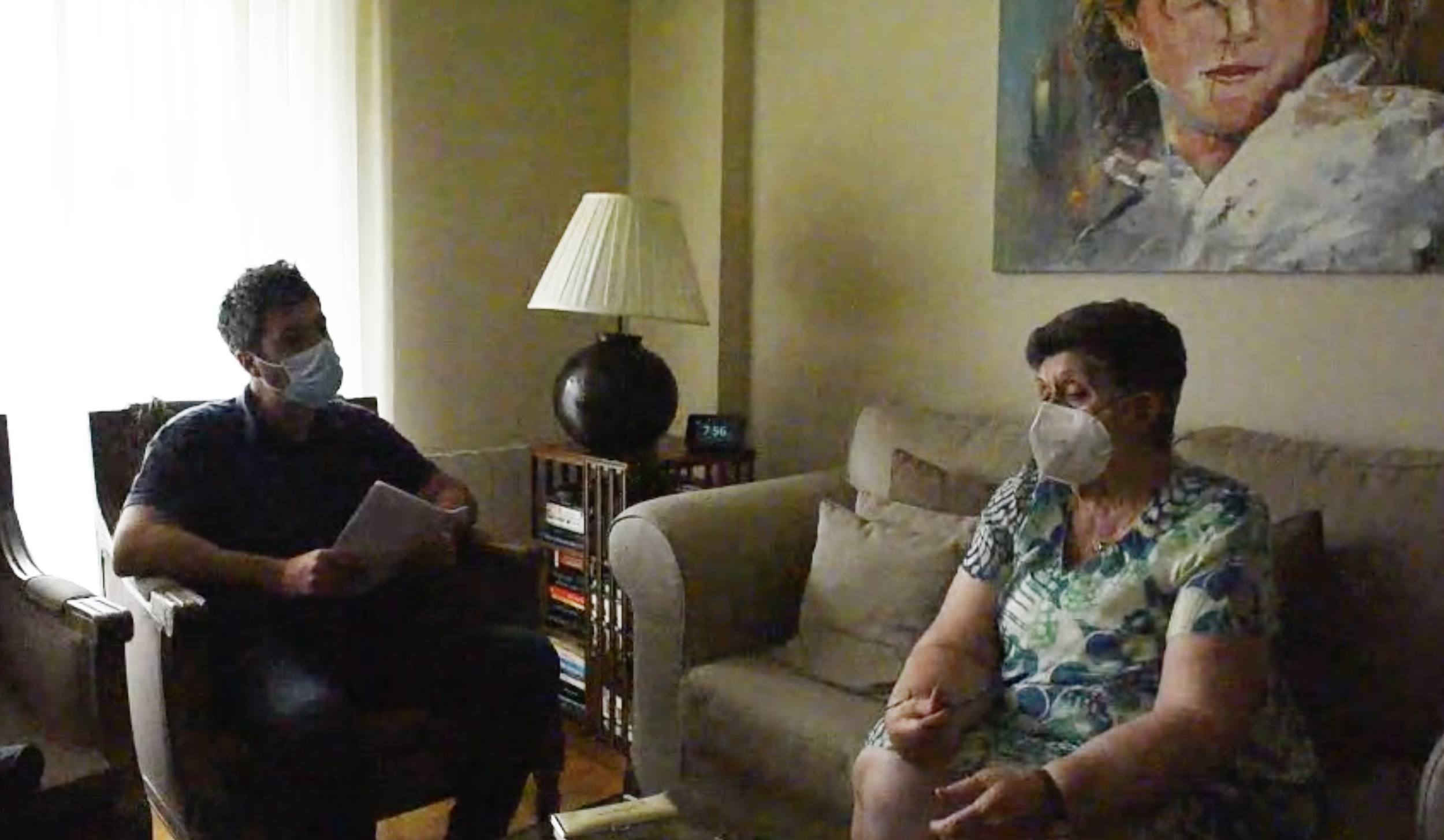
We conducted ethnographic sessions and in-depth interviews inside participants' own homes, observing real interactions with the device and exploring the gap between perceived utility and actual usability. A second round of online IDIs with participants' adult children captured the buyer perspective — their anxieties, motivations, and expectations.
The research revealed a fundamental tension: the service was solving for emergencies that happen away from the device. A fixed, voice-activated system created friction precisely when users needed it most — and the few who engaged with it regularly did so despite the design, not because of it.
Respondents: elderly users living alone · adult children as purchase decision-makers
Methods: ethnographic home sessions · in-depth interviews · usability observation · user journey mapping
Market: Spain