What does authenticity mean when two consecutive generations have learned to spot the performance?
Consumer · FMCG · Spirits · Spain
A global spirits brand had built its identity around a single idea : authenticity. Years after launch, the question was whether that idea still resonated, or whether it had become wallpaper for the generation it was trying to reach. The study ran across four markets - each with a meaningfully different relationship to the concept.
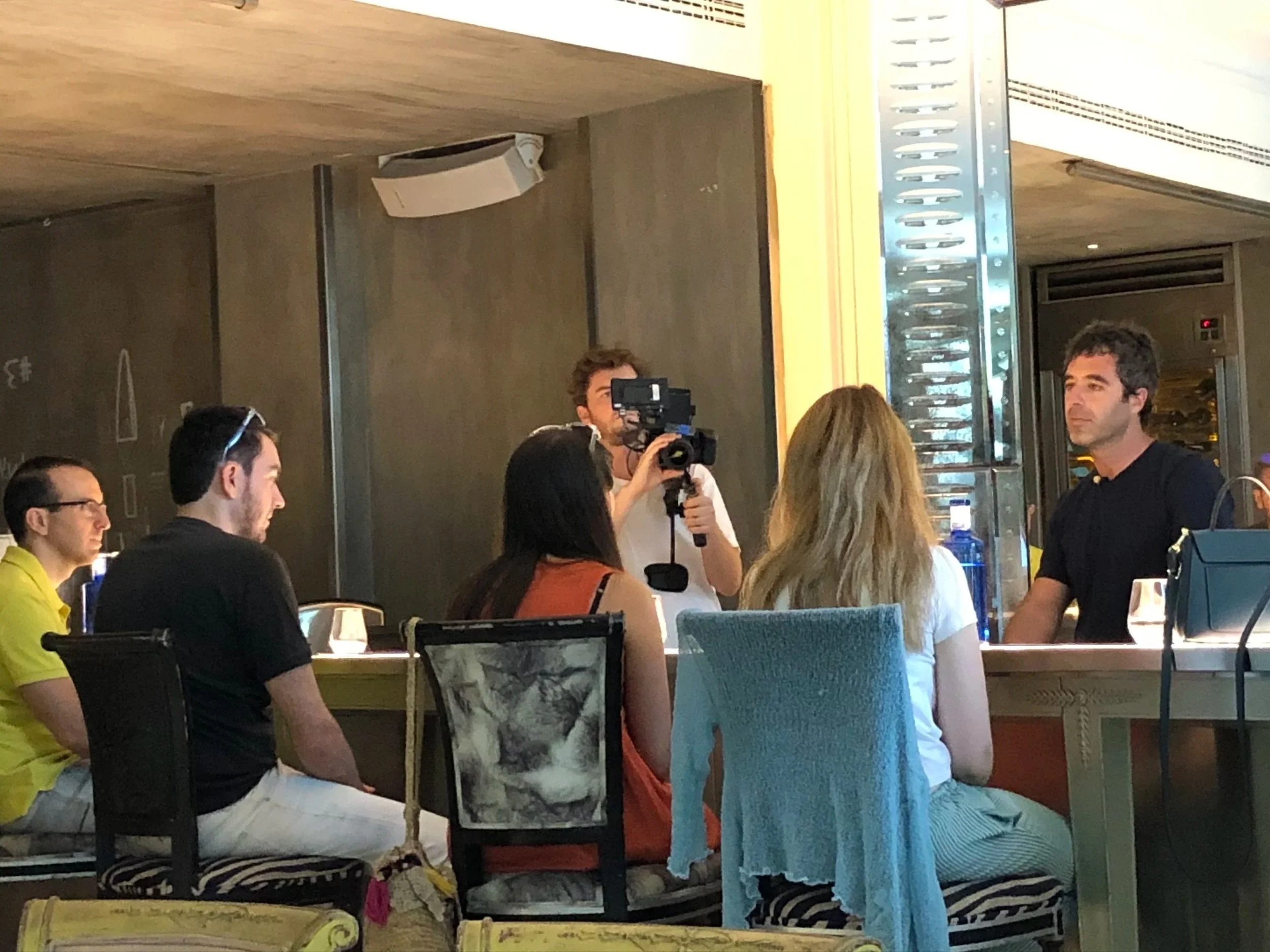
Hilo Research led the Spanish fieldwork as part of a multi-market study conducted in collaboration with Neighbourhood Insight. Working across desk research, ethnographic observation, in-depth interviews, and accompanied visits to bars and social spaces, we mapped how authenticity is actually understood, performed, and judged by Spanish Gen Z and Millennial consumers - two segments that share a word but rarely share a definition.
The cross-cultural dimension proved critical. The study revealed that what reads as a cliché in one market can become a liability in another. Authenticity codes are not universal - they are shaped by local cultural tensions, generational expectations, and the sociopolitical moment. For brands running cross-market campaigns, the risk is not getting the tone slightly wrong. It's not knowing which codes are safe to touch
Respondents: Gen Z and Millennial consumers
Methods: desk research on visual and culture· ethnography · in-depth interviews · accompanied visits · semiotic analysis with external collaborator